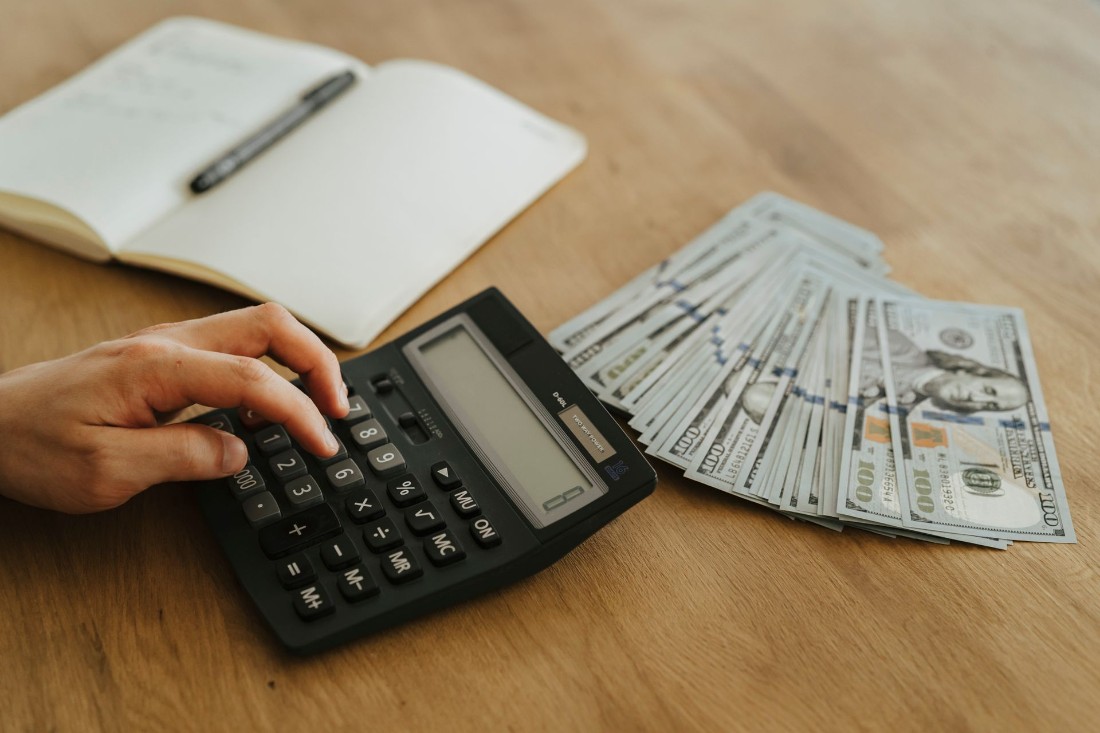


Managing your finances doesn't always require a major overhaul. In many cases, it's the small, consistent habits that make the biggest difference over time. Something as simple as keeping your wallet organized or regularly reviewing your expenses can make everyday money management feel much more manageable.
Think of your wallet as the starting point for your financial organization. Whether it's a physical wallet or a digital one on your phone, maintaining order helps reduce clutter, improve awareness, and simplify everyday transactions.
Here are practical habits that can help you build a more organized approach to your finances.
Why Organization Matters
Financial organization isn't about perfection. It's about creating systems that make everyday decisions easier.
A few simple habits can help you:
Find important cards quickly.
Track spending more easily.
Keep important documents organized.
Reduce unnecessary purchases.
Feel more confident about your finances.
Small improvements can lead to greater peace of mind over time.
Declutter Your Wallet Regularly
Many wallets gradually fill with items that are no longer needed.
Set aside a few minutes each month to remove:
Old receipts
Expired membership cards
Outdated coupons
Business cards you no longer need
Duplicate loyalty cards
A cleaner wallet is easier to use and helps you focus on what matters.
Carry Only Your Everyday Essentials
Instead of carrying everything, keep only the items you use regularly.
Your wallet may include:
Identification
Primary payment cards
Transit pass
Health insurance card
Emergency contact information
Everything else can often be stored safely at home until needed.
Organize Digital Receipts
Many purchases now provide digital receipts instead of paper copies.
Create folders for:
Household purchases
Travel expenses
Warranties
Major purchases
Tax-related documents
Keeping digital records organized makes it much easier to locate important information later.

Review Your Spending Once a Week
A short weekly review helps you stay connected to your finances without feeling overwhelmed.
Take a few minutes to:
Review recent transactions.
Categorize expenses.
Confirm recurring payments.
Check account balances.
Note upcoming expenses.
This habit prevents small issues from becoming larger ones.
Use a Simple Expense Tracker
You don't need complicated software to stay organized.
Many people successfully track expenses using:
A notebook
A spreadsheet
A budgeting app
A notes application
Choose the method you'll actually use consistently.
Create a Dedicated Folder for Financial Documents
Keeping paperwork organized saves time throughout the year.
Store important documents such as:
Monthly statements
Insurance documents
Warranty information
Tax records
Major purchase receipts
Digital storage with clear folder names makes searching much easier.
Schedule a Monthly Financial Check-In
In addition to weekly reviews, dedicate one day each month to a broader financial overview.
Use this time to:
Review your budget.
Check savings progress.
Plan upcoming expenses.
Archive receipts.
Update financial records.
Consistency is far more valuable than spending hours reviewing everything at once.
Simplify Your Payment Methods
Carrying fewer payment options can make everyday finances easier to manage.
Consider using:
One primary credit card for regular purchases
One backup payment option
One debit card for everyday banking
Keeping things simple makes tracking transactions much more straightforward.
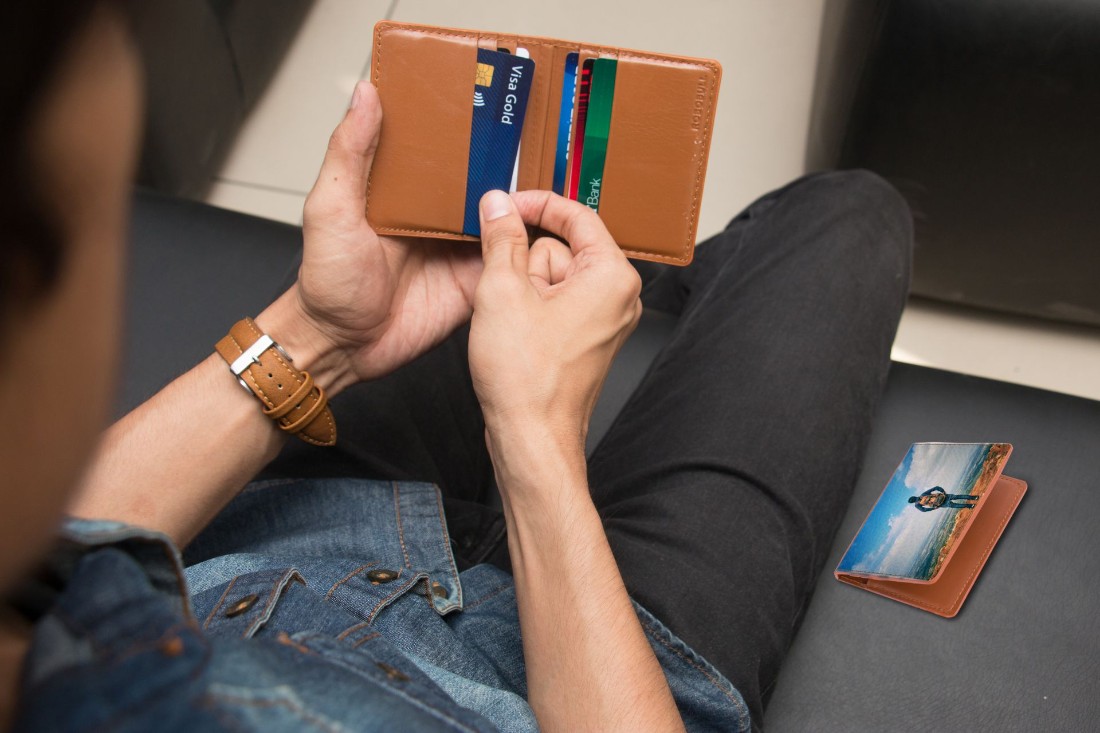
Keep Emergency Information Accessible
While we rarely think about it, it's helpful to keep important information organized.
Consider maintaining a secure record of:
Emergency contacts
Insurance details
Important account information
Document locations
Having everything readily available can save valuable time when needed.
Everyday Habits That Make a Difference
Financial organization doesn't have to be complicated.
Start with habits like:
Emptying your wallet each month.
Reviewing transactions weekly.
Filing receipts promptly.
Updating your budget regularly.
Keeping financial documents in one place.
These small routines quickly become second nature.
Build Systems You Can Maintain
The best financial habits are the ones that fit naturally into your routine.
Rather than trying to organize everything at once, improve one area at a time. A tidy wallet, a simple tracking system, and regular financial check-ins can create lasting habits that support better organization throughout the year.
Final Thoughts
An organized wallet is about more than keeping cards neatly arranged, it's a reflection of thoughtful financial habits. By simplifying what you carry, reviewing your spending regularly, organizing important documents, and creating a consistent routine, you can make managing everyday finances feel far less overwhelming.
The strongest financial habits are built through small actions repeated consistently. Start with one simple improvement today, and let those everyday routines create a more organized and confident approach to managing your money.