


A successful grocery trip starts long before you walk through the store doors. Without a plan, it's easy to buy ingredients that sit untouched, duplicate items already in the pantry, or forget essentials that you'll need later in the week.
The good news is that reducing food waste doesn't require a complete kitchen overhaul. A handful of practical shopping habits can help you make better use of every grocery trip while keeping your kitchen organized and ready for everyday cooking.
Here are some simple strategies that make shopping more intentional and help every ingredient find a purpose.
Start by Shopping Your Kitchen
Before creating your grocery list, spend a few minutes checking your pantry, refrigerator, and freezer.
Look for:
Ingredients that should be used first
Pantry staples running low
Fresh produce that can be included in upcoming meals
Frozen items ready to be used
This quick inventory helps prevent buying duplicates and inspires meal ideas based on what you already have.
Plan Flexible Meals Instead of Specific Recipes
Rather than shopping for seven completely different dinners, build meals around versatile ingredients that can be used in multiple ways.
For example:
Rice works in grain bowls, stir-fries, and side dishes.
Tomatoes fit into salads, pasta, wraps, and sandwiches.
Leafy greens can be used in bowls, soups, and omelets.
Chickpeas work well in salads, wraps, and grain bowls.
Flexible planning makes it much easier to use everything you buy.
Always Shop With a List
One of the simplest ways to reduce unnecessary purchases is to bring a well-organized grocery list.
Divide your list into sections such as:
Produce
Pantry
Dairy
Frozen foods
Bakery
Shopping by category helps you move efficiently through the store while reducing impulse purchases.
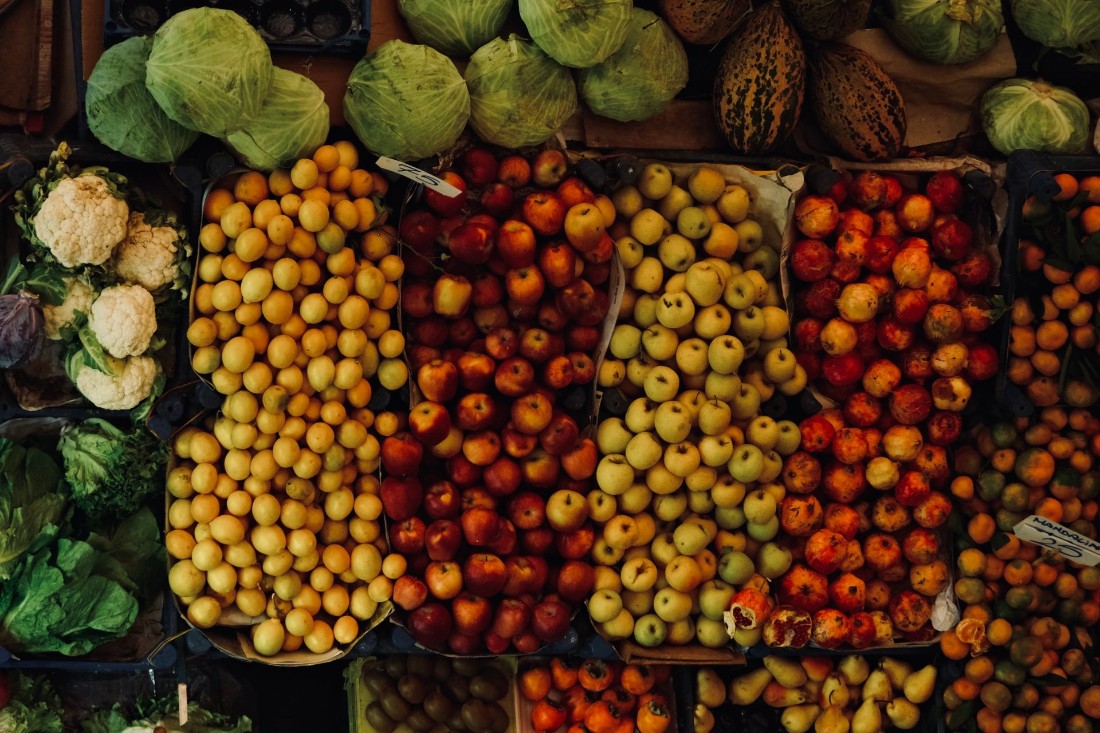
Buy Only What Fits Your Week
Bulk purchases can be useful for pantry staples, but fresh ingredients are best purchased according to your schedule.
If you know you'll be dining out or traveling, scale back your grocery list accordingly.
Buying realistic quantities often results in less waste and a more organized refrigerator.
Choose Ingredients That Work Together
Look for ingredients that naturally complement one another.
For example:
Bell peppers, onions, and tomatoes
Spinach, mushrooms, and pasta
Carrots, broccoli, and rice
Apples, walnuts, and oats
These combinations allow you to prepare multiple meals using many of the same ingredients.
Store Fresh Ingredients Properly
How you store groceries after shopping is just as important as what you buy.
A few simple habits include:
Keep herbs in a small container with water.
Store leafy greens in breathable containers.
Place older produce toward the front of the refrigerator.
Use clear containers for chopped vegetables.
Good organization makes ingredients more visible, helping ensure they're used before they're forgotten.
Create a "Use First" Shelf
Designate one refrigerator shelf or pantry basket for ingredients that should be used soon.
This might include:
Fresh vegetables
Fruit
Opened containers
Leftovers
Prepared ingredients
Having everything in one visible location makes meal planning much easier.

Keep a Running Grocery List
Instead of trying to remember everything before shopping, update your grocery list throughout the week.
Whether you use a notebook, a magnetic pad on the refrigerator, or a notes app, adding items as you run out keeps your next shopping trip organized and efficient.
Rotate Pantry Staples Regularly
A simple "first in, first out" system keeps your pantry organized.
When unpacking groceries:
Move older items to the front.
Place newly purchased products behind them.
Check expiration dates occasionally.
Group similar ingredients together.
This small habit helps ensure everything gets used.
Simple Kitchen Tools That Help Reduce Food Waste
A few inexpensive tools can make a noticeable difference.
Consider keeping:
Airtight storage containers
Glass jars for pantry staples
Produce storage bins
Reusable storage bags
Labels and markers
Stackable refrigerator organizers
These tools help extend freshness while making ingredients easier to find.
Build Better Habits One Trip at a Time
Reducing food waste isn't about shopping less, it's about shopping more intentionally.
Small improvements, like checking your pantry first, planning flexible meals, and storing ingredients properly, quickly become second nature. Over time, these habits make grocery shopping more efficient while simplifying everyday cooking.
Final Thoughts
A well-planned grocery trip sets the foundation for an organized kitchen and enjoyable home cooking. By shopping with purpose, choosing versatile ingredients, and storing food thoughtfully, you can reduce waste while making the most of every purchase.
The best grocery habits aren't complicated, they're consistent. With a little planning before each shopping trip, you'll spend less time wondering what to cook and more time enjoying meals made from ingredients that never go to waste.