
Accessible Travel: What the Term Really Covers and Who It Helps
Accessible travel means far more than wheelchair ramps. This explainer breaks down the spectrum of accessibility features and how to evaluate them.
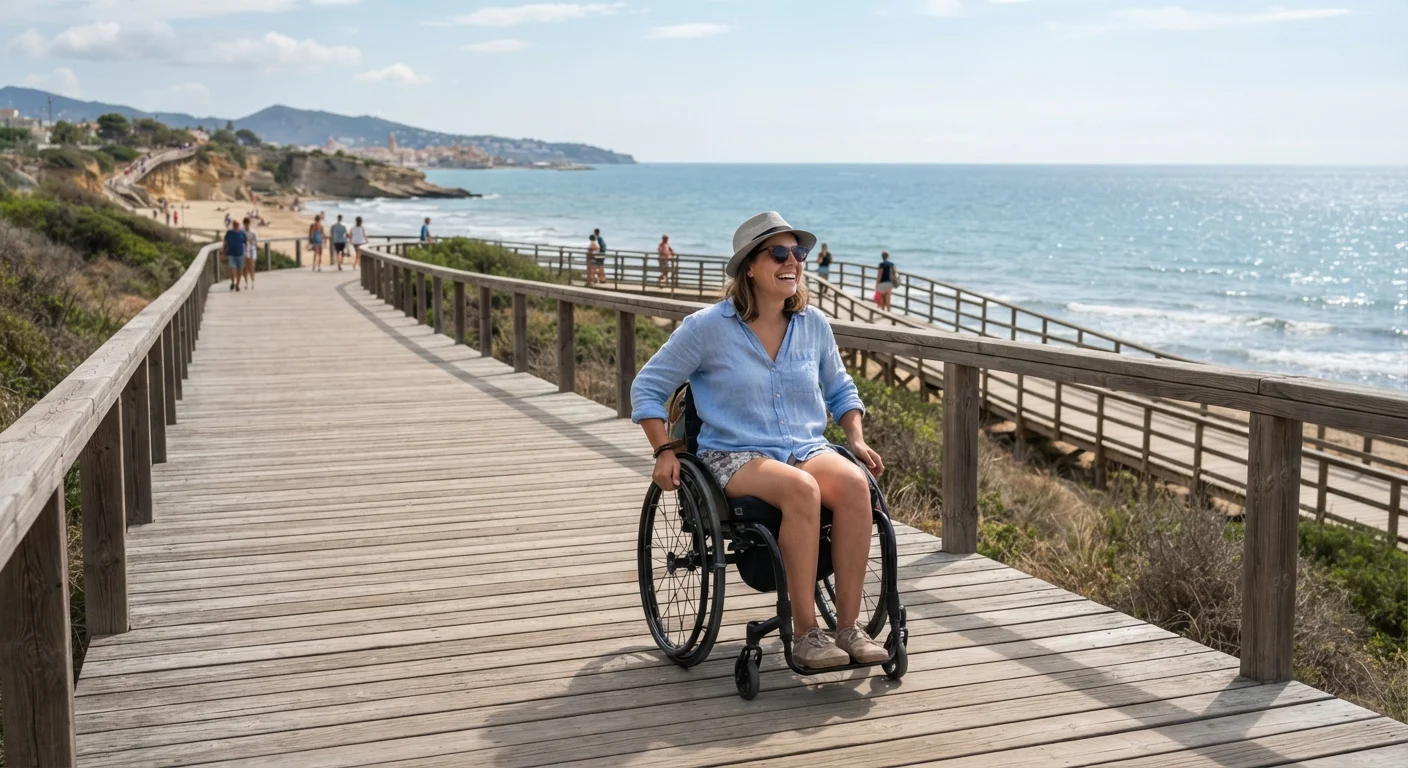
Photo: seetrueworth.net editorial
—— In This Article
Key Takeaways
- Accessible travel covers mobility, vision, hearing, cognitive, and age-related needs, not just wheelchair access.
- Accessibility features vary significantly between properties, carriers, and countries, so verification before booking matters.
- Older travelers without a formal disability diagnosis often benefit from the same accessibility features.
- Planning ahead, including researching specific accommodations and routes, reduces in-trip surprises.
- Travel insurance with appropriate coverage is a related layer of protection worth reviewing before any trip.
The spectrum of accessibility needs
When most people hear 'accessible travel,' they picture a wheelchair ramp. That image captures one small part of a much wider reality. Accessibility in travel addresses at least four distinct categories of need: mobility, sensory (vision and hearing), cognitive, and what practitioners sometimes call 'invisible' disabilities such as chronic pain, cardiac conditions, or severe fatigue.
Mobility needs include not just wheelchair access but also concerns for people who walk with a cane, have joint pain, or tire quickly on uneven terrain. Sensory needs cover travelers who are blind or have low vision, as well as those who are deaf or hard of hearing and need captioned content, written instructions, or visual alert systems. Cognitive accessibility matters for travelers with dementia, acquired brain injuries, or anxiety disorders that make unpredictable environments genuinely difficult to navigate.
Older travelers without any formal diagnosis frequently fall across several of these categories at once. A 72-year-old with arthritis, some hearing loss, and a recent knee replacement has real accessibility needs, even if no single label applies. Treating accessibility as a binary (disabled or not) misses most of the people who actually benefit from thoughtful travel design.
A note on terminology
Some travelers and advocates prefer 'disability travel' or 'travel for people with disabilities'; others use 'accessible travel' or 'inclusive travel.' The terms are used interchangeably across the industry. What matters more than terminology is whether a specific provider has concrete, verifiable features that meet a traveler's actual needs.
What accessibility features actually look like in practice
Accessibility features span every part of a trip. At airports, that includes step-free pathways, hearing loops at service desks, quiet rooms for travelers who are overwhelmed by noise, and wheelchair assistance from check-in through boarding. On aircraft, it means aisle chairs for boarding, accessible lavatories on wide-body planes, and seating policies that accommodate service animals.
At hotels, genuine accessibility goes beyond a grab bar in the shower. It includes roll-in showers with fold-down seats, beds at a height that allows safe transfer from a wheelchair, visual fire alarms, and menus available in large print or digital formats that work with screen readers. The gap between what a listing claims and what a room actually provides is one of the most common frustrations accessible travelers report, which is why calling ahead with specific questions is standard practice among experienced travelers with disabilities.
Tours and excursions have their own considerations. A walking food tour is not accessible to someone who cannot walk several miles; a boat excursion may have steep boarding steps that no amount of staff assistance can fully mitigate. Knowing the physical layout of an activity before booking prevents the awkward situation of arriving and discovering a mismatch.
26%
U.S. adults living with some disability
According to the U.S. Centers for Disease Control and Prevention, roughly 1 in 4 American adults has some type of disability, a figure that rises sharply with age.
2 in 3
Adults over 65 with at least one functional limitation
Data from the National Institute on Aging indicates that functional limitations affecting mobility, vision, or hearing become significantly more common after age 65.
How to evaluate accessibility before you book
The single most effective step is direct contact with each provider. Generic 'accessible' checkboxes on booking platforms are not standardized. A phone call or email that asks specific questions, such as the exact width of the bathroom door or whether the pool has a lift, produces information you can actually use.
For destinations outside the United States, check whether the country has its own accessibility legislation and what it covers. Some European countries have strong standards for public transportation and museums; others lag significantly, particularly in older city centers where historic buildings were never designed with accessibility in mind. Disability travel communities and forums often contain first-hand accounts that are more accurate than official tourism descriptions.
If mobility devices are involved, confirm airline policies on battery types for power wheelchairs and whether the aircraft type on your route can accommodate a specific chair in the cargo hold. These details vary by plane model, not just by airline. Getting confirmation in writing protects you if something goes wrong at the gate.
For a complete pre-trip framework, see the pre-trip planning checklist for senior travelers, which covers accessibility needs alongside documents, health prep, and budget steps.
Accessibility, age, and why the distinction matters less than you think
The travel industry has historically treated 'senior travel' and 'accessible travel' as separate markets. In practice, they overlap considerably. Age-related changes in hearing, vision, balance, endurance, and joint function are not disabilities in a clinical sense, but they create the same practical barriers. A 68-year-old who finds cobblestone streets painful, has trouble reading small menus in dim restaurant lighting, and needs more rest time between activities has legitimate accessibility needs that deserve the same planning attention.
This matters because it removes the psychological barrier some older travelers feel about requesting accommodations. Asking for a wheelchair at the airport, requesting a quieter cabin, or choosing a cruise ship itinerary with shorter shore excursions are practical decisions, not admissions of limitation. Travel designed to be more accessible tends to be more comfortable for everyone.
Understanding the financial side of travel is worth pairing with accessibility planning. The budget strategies for travelers on a fixed income article covers ways to keep costs manageable without cutting corners on the accommodations or pace that make a trip work. Separately, reviewing how travel insurance works for older travelers is a sound step before any trip where health considerations are in play.
This article is for general informational purposes only. Travelers with specific medical conditions or mobility needs should consult their healthcare provider and verify all accessibility details directly with travel providers and official government sources before booking.
Frequently Asked Questions

Travel Editorial Team
Travel Editorial Team is the collective byline for our editorial team and contributor network. Articles published under this byline or an editorial pen name are researched, written, and reviewed according to our editorial standards for clarity, consistency, and independence before publication.
View author profile