
Hydration and Nutrition: How the Two Work Together
Water and food do more than coexist on your table. Learn how hydration affects nutrient absorption, appetite, and overall energy throughout the day.
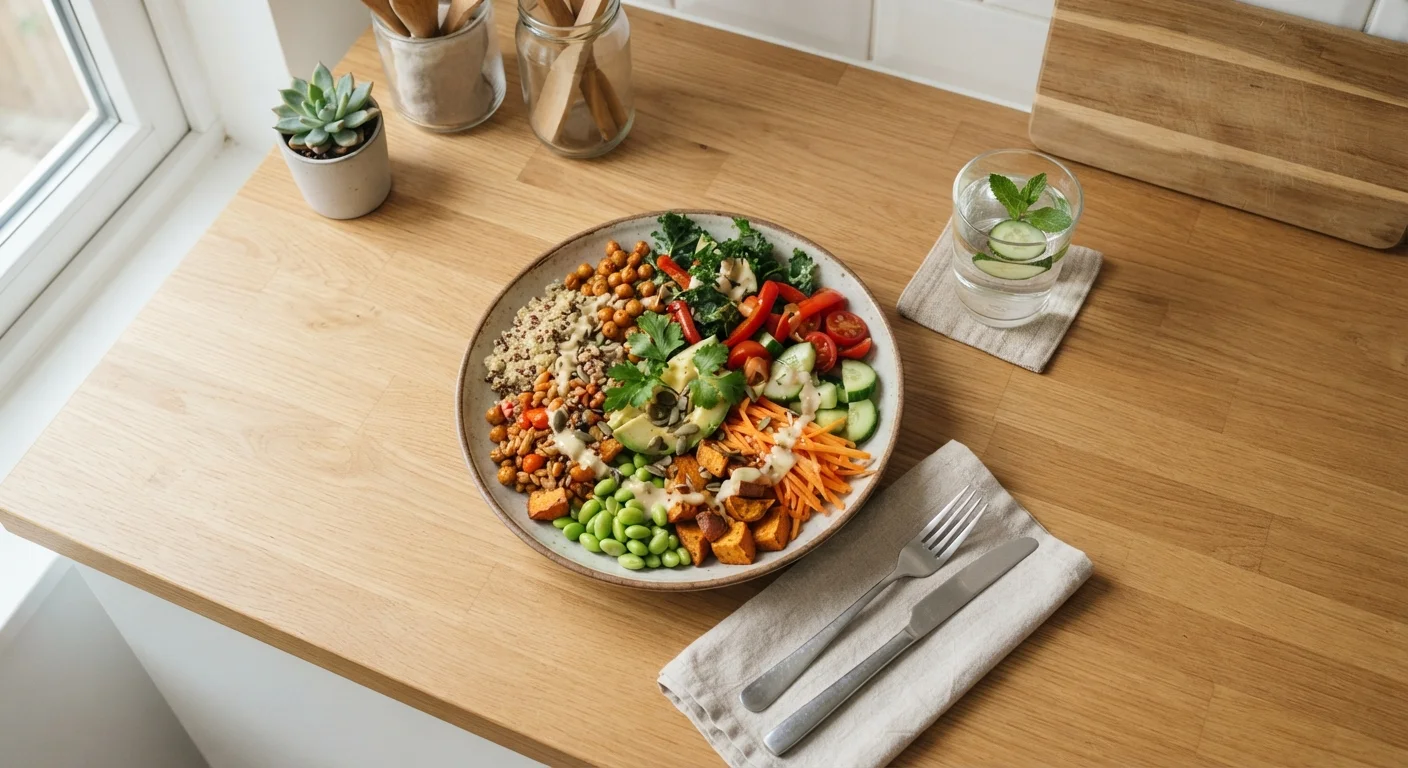
Photo: seetrueworth.net editorial
—— In This Article
Key Takeaways
- Water is required for digestion and for absorbing many vitamins and minerals.
- Mild dehydration can be mistaken for hunger, affecting how much you eat.
- Some nutrients, including fiber, depend on water to work properly in the gut.
- Eating water-rich foods contributes to your daily fluid intake.
- Drinking large amounts of water with meals may dilute digestive enzymes for some people, so spacing fluids around meals can help.
Why water is part of your nutrition, not separate from it
Most conversations about eating well focus on food groups, portion sizes, and meal timing. Water rarely gets the same attention, even though it is directly involved in nearly every step of how your body processes food.
When you eat, your digestive system uses water to break food down, to produce digestive enzymes, and to move nutrients through the intestinal wall and into the blood. Water-soluble vitamins, including all the B vitamins and vitamin C, dissolve in water before they can be absorbed. Minerals such as magnesium and potassium also depend on water to travel through the bloodstream to where they are needed.
This means that what you drink and when you drink it can influence how much benefit you actually get from the food on your plate. If you are building a balanced plate, pairing that effort with consistent hydration is part of completing the picture.
How dehydration changes hunger and appetite
The hypothalamus, the part of the brain that regulates thirst, also governs hunger signals. Because these signals overlap, mild dehydration is frequently misread as hunger. People reach for food when their body is actually asking for water.
This mix-up can lead to eating more than the body needs, not because of poor willpower, but because of a genuine physiological signal being misinterpreted. A useful habit is to drink a glass of water when hunger appears between meals and wait a few minutes before eating. It is not a cure-all, but it can help clarify what the body is asking for.
Dehydration can also reduce energy, which is a common trigger for choosing higher-calorie foods in the hope of a quick lift. The connection between hydration and daily energy is well-established: even a 1-2% drop in body water can affect concentration and physical performance.
A simple habit to try before snacking
When hunger appears more than two hours after a meal, drink a full glass of water and wait ten minutes before eating. This brief pause gives your brain time to distinguish thirst from hunger. It is not a replacement for adequate nutrition, but it can help you respond to the right signal.
The link between fiber and fluid
Fiber is the part of plant food that the body cannot digest, and it does important work in the gut: slowing glucose absorption, feeding beneficial gut bacteria, and keeping bowel movements regular. However, fiber needs water to do most of this work.
Soluble fiber, found in oats, beans, and some fruits, absorbs water and forms a gel-like substance in the intestine. This gel is what slows digestion and moderates blood sugar. Without enough fluid, soluble fiber cannot form properly, and its benefits are reduced. Insoluble fiber, found in whole grains and vegetables, adds bulk to stool, but again requires water to move efficiently through the colon. Without adequate hydration, a high-fiber diet can cause constipation rather than relieve it.
If you are working to increase your fiber intake, increasing your water intake at the same time is not optional. The two go together directly.
Practical ways to keep hydration and nutrition in step
You do not need to track every milliliter of water you drink. A few consistent habits are enough for most people to stay adequately hydrated while supporting good nutrition.
- Eat water-rich foods regularly. Fruits and vegetables such as cucumber, zucchini, berries, and leafy greens provide both nutrients and fluid in one source.
- Start meals with a broth-based soup or a glass of water. Both prime digestion and contribute to fluid intake.
- Pay attention to urine color. Pale yellow is a reliable, low-effort indicator that hydration is adequate. Dark yellow signals a need to drink more.
- When skipping meals is tempting, remember that the gut still needs water between meals to clear waste, maintain gut lining health, and prepare for the next meal.
People with kidney disease, heart conditions, or other health concerns should talk with a healthcare provider before making significant changes to fluid intake, as individual needs vary considerably.
This article is for informational purposes only and is not medical advice. Consult a qualified healthcare professional before making changes to your diet or fluid intake, particularly if you have an existing health condition.
Frequently Asked Questions

Nutrition Editorial Team
Nutrition Editorial Team is the collective byline for our editorial team and contributor network. Articles published under this byline or an editorial pen name are researched, written, and reviewed according to our editorial standards for clarity, consistency, and independence before publication.
View author profile