
Protein After 60: Why Your Needs Shift and How to Meet Them
Muscle loss accelerates with age. Understand why protein requirements change as you get older and which everyday foods can help fill the gap.
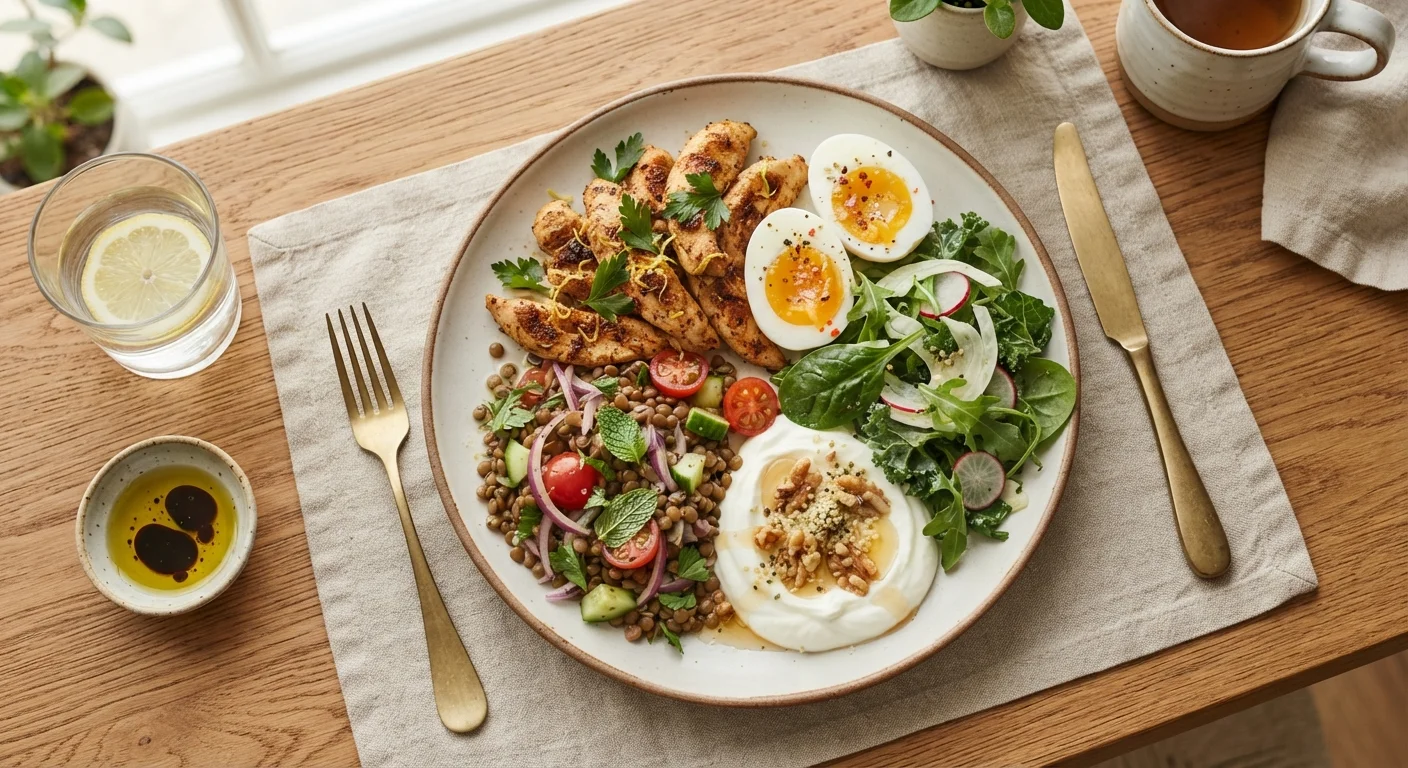
Photo: seetrueworth.net editorial
—— In This Article
Key Takeaways
- Adults over 60 generally need more protein per pound of body weight than younger adults, not less.
- Muscle protein synthesis becomes less efficient with age, so spreading protein across meals matters.
- Eggs, legumes, fish, dairy, and lean poultry are practical, affordable protein sources.
- Kidney disease can change protein needs significantly; always consult a doctor or dietitian before making large dietary shifts.
- Physical activity works alongside protein intake; neither replaces the other.
Why protein needs shift after 60
The body's relationship with protein changes as it ages, and not in a forgiving direction. After 60, skeletal muscle breaks down more readily and rebuilds more slowly. This is partly because older muscle tissue responds less efficiently to the same protein stimulus that would trigger repair in a younger adult. Researchers call this phenomenon anabolic resistance.
The standard dietary recommendation of 0.8 grams of protein per kilogram of body weight per day was designed for general adult populations. A growing body of research, including work published by the PROT-AGE Study Group, suggests that adults over 65 may benefit from 1.0 to 1.2 g/kg daily, and that those who are physically active or recovering from illness may need even more. These are general figures, not personal prescriptions; a registered dietitian can assess individual circumstances.
Beyond the total amount, distribution across the day matters. Older adults appear to gain more muscle-building benefit when protein is spread across meals rather than concentrated in a single sitting. A breakfast that includes only toast and coffee, followed by a protein-heavy dinner, is a common pattern that may leave muscle tissue under-supported through much of the day.
What happens when protein intake falls short
Insufficient protein over time contributes to sarcopenia, the progressive loss of muscle mass and function described in the definition box above. The practical consequences include reduced grip strength, slower walking speed, greater fatigue with everyday tasks, and a higher likelihood of falls and fractures.
Low protein intake also affects immune function, wound healing, and the body's ability to recover from surgery or illness. For older adults managing chronic conditions or recovering from hospitalization, these effects can compound quickly.
Spread protein across all three meals
Rather than saving most of your protein for dinner, aim to include a meaningful source at every meal. Breakfast options such as eggs, cottage cheese, or Greek yogurt make this straightforward and affordable. This approach works with your body's muscle-building capacity throughout the day.
None of this means aging guarantees decline. Sarcopenia is not inevitable, and dietary choices combined with regular physical activity, particularly resistance training, meaningfully reduce its pace. The goal is not to reverse aging but to support the body's capacity to maintain function.
Practical protein sources worth knowing
Good protein sources do not require expensive specialty products. Several everyday foods deliver substantial amounts per serving:
- Eggs (about 6 grams per large egg) are one of the most bioavailable protein sources available.
- Canned salmon or tuna provides roughly 20 to 25 grams per 3-ounce serving, along with omega-3 fatty acids that support heart health.
- Plain Greek yogurt offers 15 to 20 grams per cup and also contributes calcium. See calcium sources and what you need to know for more on why that matters after 60.
- Cooked lentils provide about 18 grams per cup and bring fiber alongside protein. Fiber is a nutrient most Americans under-eat, and lentils address both gaps at once.
- Cottage cheese, chicken breast, and firm tofu round out a practical rotation that suits varying budgets and preferences.
For those working within a tight food budget, dried legumes and eggs remain among the most cost-efficient protein options available. Our guide on eating well on a fixed income covers how to build a nutritious diet without overspending.
~1.0-1.2 g/kg
Suggested daily protein for adults over 65
Based on recommendations from the PROT-AGE Study Group, published in the Journal of the American Medical Directors Association.
0.8 g/kg
Standard adult RDA for protein
The Recommended Dietary Allowance set for general adult populations, which many researchers consider insufficient for older adults.
3-8% per decade
Estimated rate of muscle mass loss after age 30
Figures cited across multiple geriatric nutrition reviews; the rate accelerates after age 60.
When to involve a professional
Protein needs are not uniform across all older adults. Chronic kidney disease, liver conditions, and certain metabolic disorders change what is appropriate. Anyone with an existing medical condition should speak with their doctor or a registered dietitian before significantly increasing protein intake. This article is general health information and is not a substitute for personalized medical advice.
Physical activity matters alongside diet. Resistance exercise, even light bodyweight movements, signals muscle tissue to use available protein for repair and maintenance. Protein intake without any activity produces less benefit than the two combined.
This article is for informational purposes only and does not constitute medical or dietary advice. Consult a qualified healthcare professional before making significant changes to your diet, particularly if you have a chronic health condition.
Frequently Asked Questions

Nutrition Editorial Team
Nutrition Editorial Team is the collective byline for our editorial team and contributor network. Articles published under this byline or an editorial pen name are researched, written, and reviewed according to our editorial standards for clarity, consistency, and independence before publication.
View author profile