
Sodium in Everyday Foods: Where It Hides and Why It Adds Up
Excess sodium rarely comes from the salt shaker. Discover the common packaged and restaurant foods where sodium quietly accumulates in a typical day.
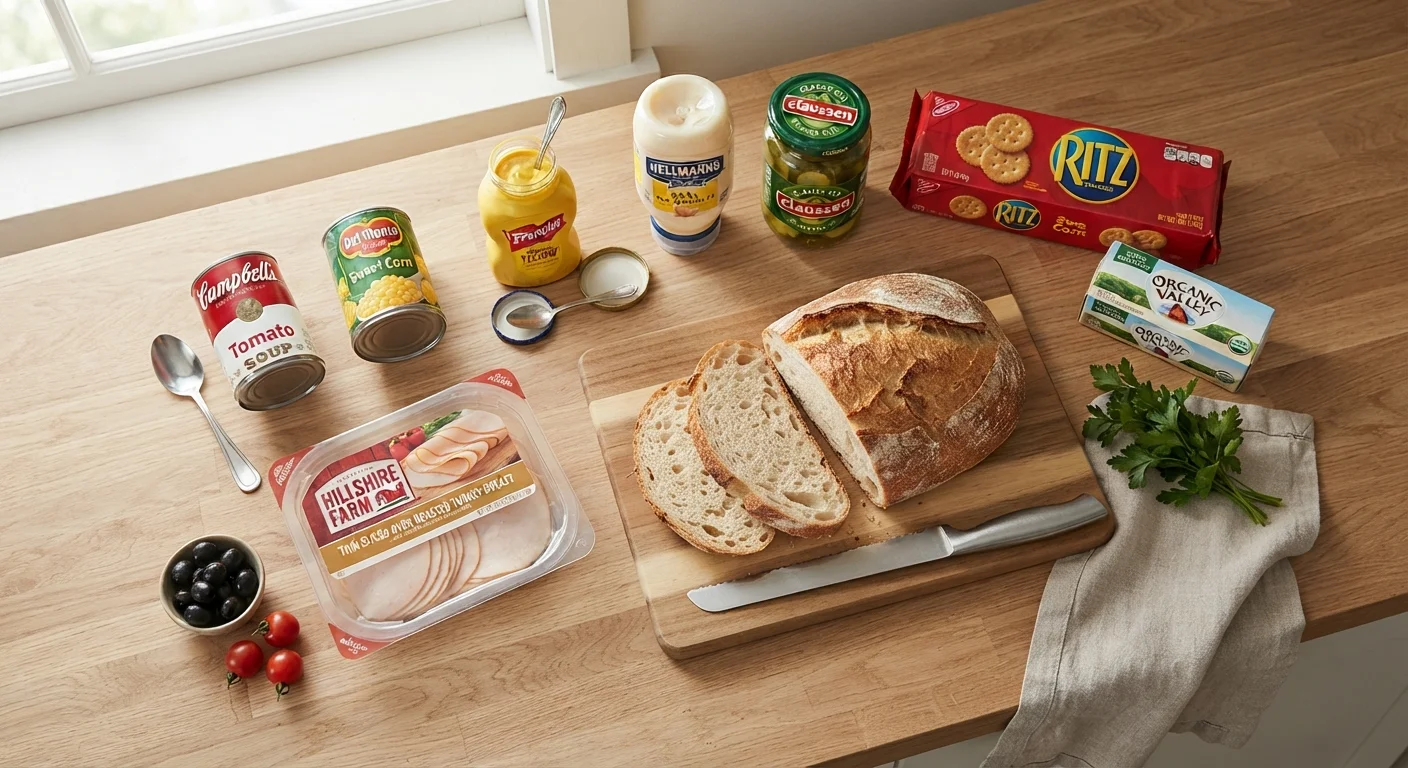
Photo: seetrueworth.net editorial
—— In This Article
Why the salt shaker is not the main problem
Most people picture a salt shaker when they think about sodium intake. In practice, the shaker contributes a small fraction of what the average person consumes. According to the U.S. Centers for Disease Control and Prevention, roughly 70 percent of daily sodium intake comes from packaged, processed, and restaurant foods, not from salt added during cooking or at the table.
The U.S. Dietary Guidelines for Americans recommend that adults consume no more than 2,300 milligrams of sodium per day. Many adults exceed that amount before dinner. Understanding where the sodium actually sits in a typical day is the first step toward managing intake without overhauling an entire diet.
| Daily sodium limit (adults) | 2,300 mg (U.S. Dietary Guidelines for Americans) |
| Share from packaged and restaurant foods | About 70% (U.S. Centers for Disease Control and Prevention) |
| Sodium in one cup of standard canned soup | 700 to 900 mg (USDA FoodData Central estimates) |
| Sodium in 1 tbsp soy sauce | 900 to 1,000 mg (USDA FoodData Central estimates) |
| High sodium threshold on a Nutrition Facts label | 20% daily value or more per serving (U.S. Food and Drug Administration) |
| Low sodium threshold on a Nutrition Facts label | 5% daily value or less per serving (U.S. Food and Drug Administration) |
The foods that add the most sodium
Bread and rolls are among the largest contributors to daily sodium in the American diet, not because any single slice contains a shocking amount, but because most people eat bread at multiple meals. A single slice of standard sandwich bread can carry 100 to 200 mg of sodium. Two sandwiches across a day adds up quickly.
Cured and deli meats are another significant source. A two-ounce serving of deli turkey or ham can contain 400 to 600 mg of sodium. Pair that with bread and a condiment, and a standard lunch sandwich may deliver close to 1,000 mg before any side dish is added.
Canned soups are well known for high sodium content. A single cup from a standard-sized can often contains 700 to 900 mg, and many cans hold more than one serving. Reduced-sodium versions typically cut that figure by about 25 to 40 percent, which is a meaningful reduction when soup appears regularly in a weekly meal plan.
Pizza, whether restaurant-made or frozen, combines sodium from dough, sauce, cheese, and processed meat toppings. A single restaurant slice can carry 600 to 1,000 mg depending on toppings and portion size.
Condiments such as soy sauce, bottled salad dressings, ketchup, and hot sauce deliver sodium in small volumes. A single tablespoon of soy sauce contains roughly 900 to 1,000 mg, which is close to half the daily recommended ceiling in one small pour.
Sodium
A mineral found in salt and many food additives. The body needs small amounts of sodium for fluid balance and nerve function, but excess intake is associated with elevated blood pressure in many people.
Daily value (DV)
A reference amount printed on Nutrition Facts labels. For sodium, the daily value is 2,300 mg per day for adults, set by the U.S. Food and Drug Administration.
Monosodium glutamate (MSG)
A sodium-containing flavor enhancer added to many processed, canned, and restaurant foods. It contributes to total sodium intake even when salt is not the primary listed ingredient.
Reduced-sodium
A label claim indicating a product contains at least 25 percent less sodium than the standard version of the same food. It does not mean the product is low in sodium overall.
Reading a nutrition label for sodium
The Nutrition Facts label lists sodium in milligrams per serving and as a percentage of the daily value, which is set at 2,300 mg. A food with 20 percent daily value or more per serving is considered high in sodium. A food at 5 percent or below is considered low.
Serving sizes on labels do not always match how people actually eat. A can labeled as two servings that most people consume in one sitting doubles the listed sodium figure. Checking the full-container sodium content rather than relying solely on the per-serving line gives a more realistic picture.
Ingredient lists can also flag sodium. Ingredients such as monosodium glutamate (MSG), sodium nitrate, sodium bicarbonate (baking soda), and disodium phosphate all contribute to total sodium even when salt is not listed prominently.
Sodium goes by many names on labels
Scanning only for the word 'salt' in an ingredient list will miss other sodium-containing additives. Sodium nitrate, sodium bicarbonate, disodium phosphate, and MSG all add to total sodium content. When sodium management is a health priority, checking the total milligrams per serving on the Nutrition Facts panel is more reliable than reading through ingredient names alone.
Practical ways to reduce sodium without losing flavor
Rinsing canned beans or vegetables under water for 30 seconds removes a portion of surface sodium from the brine they are packed in. This works because much of the sodium in canned legumes sits in the liquid, not fully absorbed into the food itself.
Cooking grains and pasta in unsalted water, then seasoning the finished dish, gives more control over total sodium than salting a large pot of boiling water.
Herbs, citrus juice, vinegar, and spices such as cumin, smoked paprika, and garlic powder add complexity to food without sodium. Using them in combination can reduce the need for salt while keeping meals satisfying.
At restaurants, asking for sauces and dressings on the side makes it easier to use a smaller amount. Grilled, steamed, or roasted options typically carry less sodium than braised, marinated, or breaded preparations.
This article is general nutrition information and is not medical or dietary advice. Individuals managing conditions such as high blood pressure, kidney disease, or heart failure should consult a registered dietitian or physician before making significant dietary changes.

Nutrition Editorial Team
Nutrition Editorial Team is the collective byline for our editorial team and contributor network. Articles published under this byline or an editorial pen name are researched, written, and reviewed according to our editorial standards for clarity, consistency, and independence before publication.
View author profile