
Social Connection After 60: Why It Matters More Than Most People Realize
Loneliness carries real health consequences for older adults. This guide explains the evidence and offers realistic ways to stay meaningfully connected.
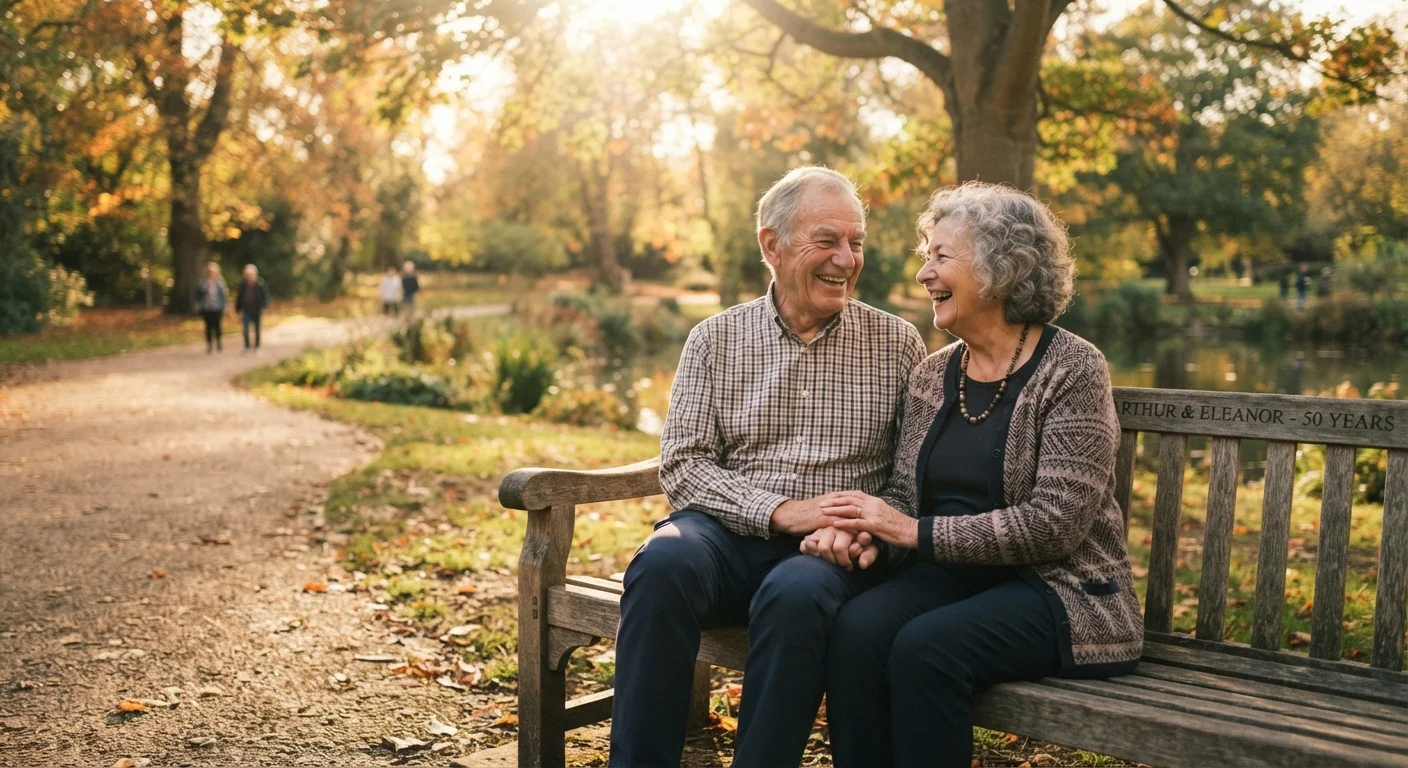
Photo: seetrueworth.net editorial
—— In This Article
Key Takeaways
- Social isolation carries measurable health risks for older adults, comparable in scale to other well-known lifestyle factors.
- Loneliness is subjective; you can feel lonely in a crowd or content living alone. Both states matter differently.
- Retirement, loss of peers, and mobility changes are common structural reasons connection fades after 60.
- Small, consistent social contact generally does more good than large occasional gatherings.
- A doctor or mental health professional is the right person to consult if loneliness feels persistent or severe.
What the research actually says
The U.S. Surgeon General's 2023 advisory on loneliness described social disconnection as a public health concern, citing evidence that chronic loneliness and isolation are associated with higher rates of heart disease, stroke, dementia, depression, and premature death. The advisory drew on decades of population studies, not a single finding.
The mechanism is not fully settled, but researchers point to several plausible pathways: elevated stress hormones from perceived social threat, reduced motivation to exercise or eat well, and disrupted sleep. None of these operate in isolation, and no study has proven a simple cause-and-effect chain for any individual. What the body of evidence does support, consistently, is that people with stronger social ties tend to age in better health than those without them.
For adults over 60, this matters because the structural conditions that erode social ties tend to accumulate precisely in this life stage.
Social isolation
Having few or no regular social contacts. It is an objective, measurable condition based on the actual number of relationships a person has.
Loneliness
The subjective feeling that your social connections are fewer or less meaningful than you want. A person can be isolated without feeling lonely, and lonely despite having many contacts.
Cognitive decline
A gradual reduction in memory, reasoning, or thinking speed that can come with aging. Some degree is normal; sharper decline can indicate conditions such as dementia.
Social capital
The network of relationships and community ties a person has. Higher social capital generally means more people to call on for practical help or emotional support.
Why connection gets harder after 60
Retirement removes a ready-made social environment. For many people, work is where most daily conversation happens. Without it, the day can become quieter in ways that feel gradual until they suddenly feel significant.
Peer loss is another factor. The older a person gets, the more likely they are to have lost friends, siblings, or a spouse. Grief itself is isolating, and rebuilding a social network later in life takes more deliberate effort than it did at 30, when shared circumstances (school, young children, new neighborhoods) did much of the work automatically.
Mobility changes, chronic pain, and driving limitations can make leaving the house less straightforward. These are practical barriers, not personal failings, and they deserve practical solutions rather than encouragement to simply try harder.
Staying active in other ways can help. Small lifestyle shifts that improve energy are often the same ones that make getting out and seeing people feel more manageable.
The difference between isolation and loneliness
These two words are often used interchangeably, but they describe different things and call for different responses.
Social isolation is measurable: how many people does someone have regular contact with? A person living alone who speaks to a neighbor daily, attends a weekly class, and calls a sibling each weekend is not socially isolated, even if they live alone.
Loneliness is internal. It is the gap between the connection a person has and the connection they want. Someone can live with a busy family and feel profoundly lonely because the relationships feel superficial or one-sided. Equally, a person who chooses solitude and feels content with a small number of close relationships is not experiencing problematic loneliness.
Both matter, but interventions that address them differ. Reducing isolation means adding contact. Reducing loneliness often means improving the quality or meaning of existing relationships, which can require more reflection and sometimes professional support.
Consistency matters more than scale
A 15-minute phone call with a friend three times a week does more for your sense of connection than a single monthly dinner party. Look for low-effort ways to build regular contact into your existing routine, rather than waiting for large social occasions.
Realistic ways to stay connected
No single approach works for everyone, and most of the advice here involves ordinary adjustments rather than major life changes.
- Anchor contact in existing habits. A walk at the same time each day creates the conditions to see the same neighbors. A standing weekly call requires no planning once it is set up.
- Pursue activities with inherent repetition. Joining a class, book group, or volunteer shift means you will see the same people regularly. Repeated exposure is how acquaintances become friends.
- Use video calls when distance or mobility is a barrier. The research on remote contact is not as strong as for in-person connection, but it is meaningfully better than no contact. A video call where you can see someone's face gives more social information than a text message.
- Be a recipient, not just a giver. Many older adults are accustomed to being the ones who organize and support others. Accepting help and company from others is also social connection, and it lets relationships become more mutual.
If you are thinking about travel as a way to meet people or try something new, solo travel later in life has real potential alongside real logistical considerations worth knowing before you go.
Good nutrition supports the energy and mood that make socializing feel less like effort. Protein needs shift after 60, and meeting them is one part of staying physically able to engage with the world.
When to seek more support
If loneliness feels persistent, or if it accompanies low mood, disrupted sleep, withdrawal from activities you used to enjoy, or changes in appetite, these are signals worth bringing to a doctor or mental health professional. Depression is common in older adults and often underdiagnosed. It is also treatable.
A primary care provider can screen for depression, refer to a therapist or counselor, and rule out physical causes for low mood or fatigue. This is not a step to postpone.
Do not dismiss persistent low mood
Loneliness and depression can overlap and reinforce each other. If you notice persistent sadness, loss of interest in things you used to enjoy, or changes in sleep and appetite alongside feelings of isolation, talk to your doctor. This is general information, not a diagnosis, and a qualified professional is the right person to assess what you are experiencing.
For anyone thinking about the longer financial picture of a longer life, longevity risk in retirement planning is a connected topic worth understanding. Social wellbeing and financial security both affect quality of life in later years.
This article is for general informational purposes only and does not constitute medical or mental health advice. If you have concerns about your health or wellbeing, please consult a qualified healthcare professional.
Frequently Asked Questions

Lifestyle Editorial Team
Lifestyle Editorial Team is the collective byline for our editorial team and contributor network. Articles published under this byline or an editorial pen name are researched, written, and reviewed according to our editorial standards for clarity, consistency, and independence before publication.
View author profile